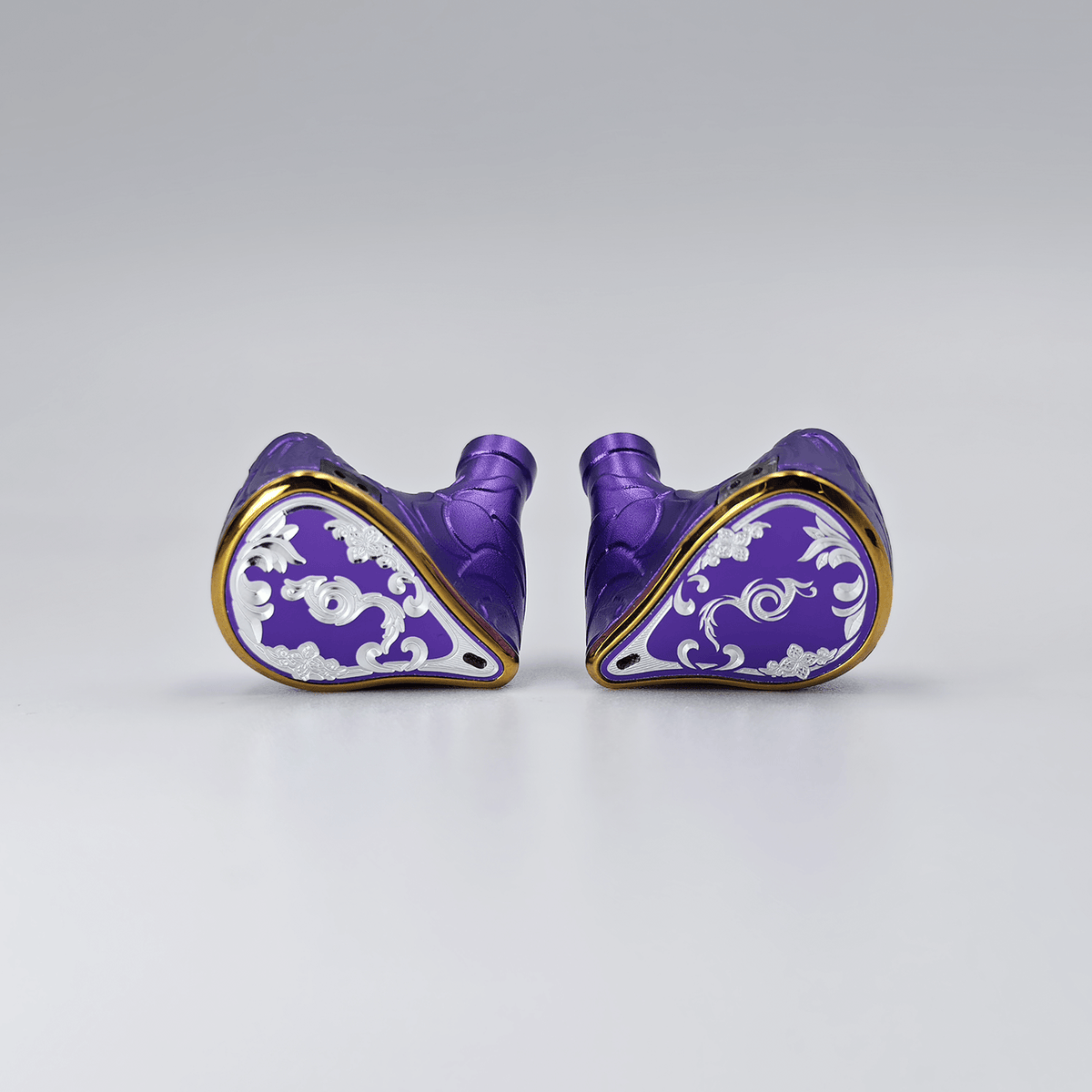
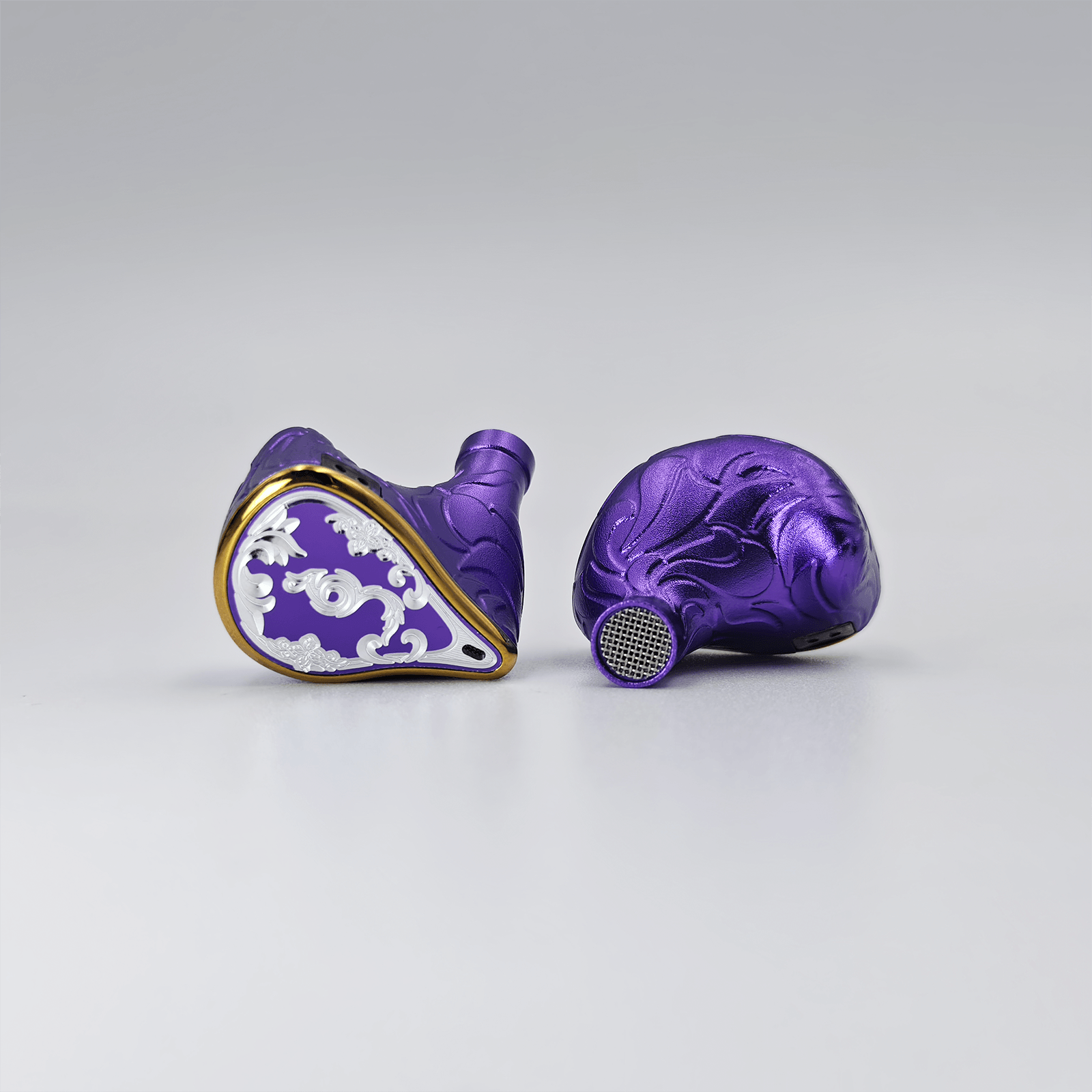
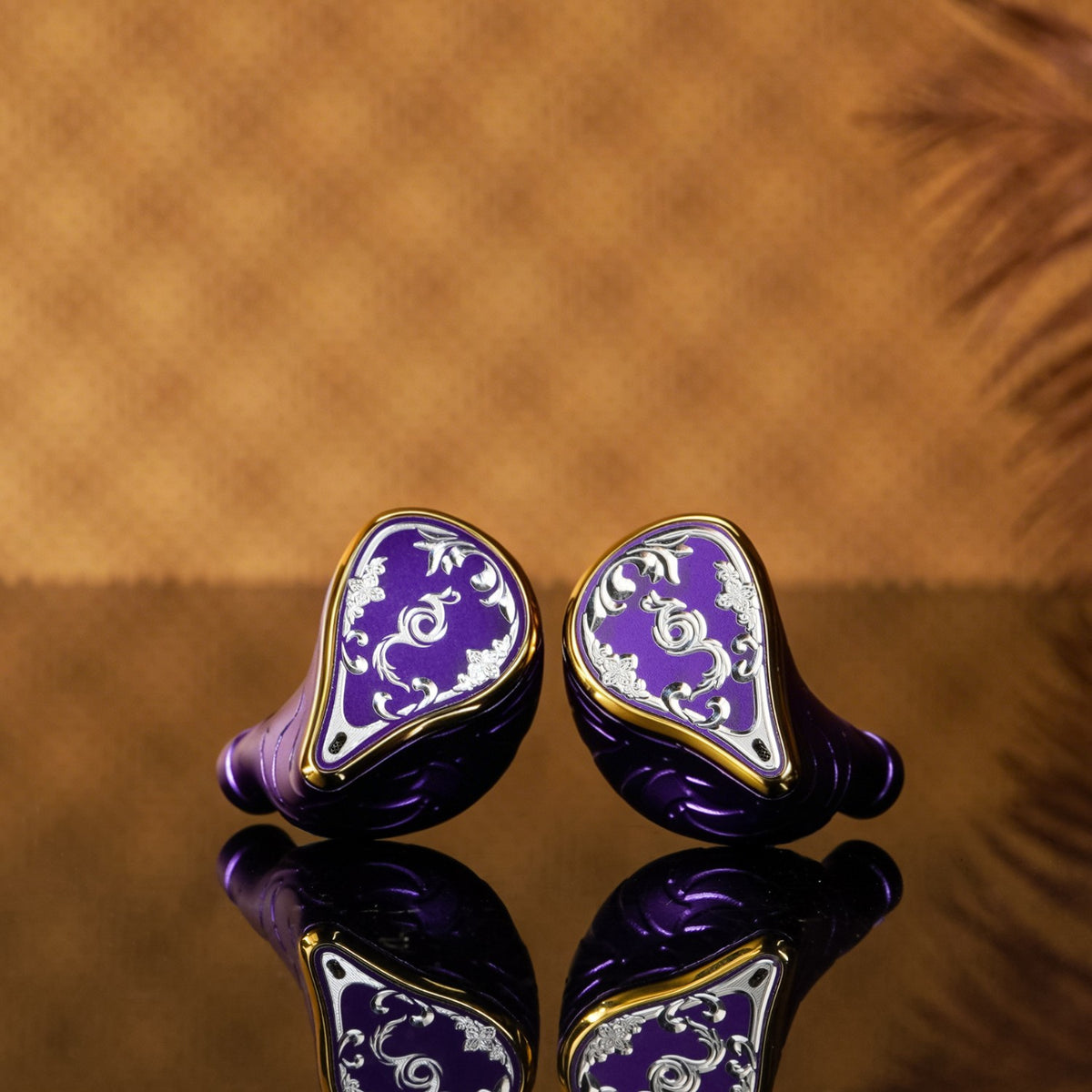
EPZ 550 Technical Note
Control Over Complexity
EPZ 550 is not built to win by driver count. It is built to make every driver work with purpose.
Driver count is easy to see
Driver count is one of the easiest numbers to compare on an IEM spec sheet.
Five drivers. Eight drivers. Ten drivers. More looks impressive at a glance. It gives people something simple to measure before they even listen.
But sound quality is not built by counting parts.
More drivers can create more potential. They can extend frequency range, reduce load on each driver, and give the tuning team more tools to shape the sound. When done well, a complex multi-driver system can be excellent.
Here’s the thing. More drivers also mean more things to control.
Every extra driver adds crossover work, phase-control demands, acoustic matching, and production consistency challenges. The system becomes harder to align. If the design is not carefully managed, the sound may gain scale on paper but lose focus in the ear.
Not every impressive spec becomes better sound.
550 follows a different direction. It does not try to look complicated. It tries to stay controlled.
A focused BA system
EPZ 550 uses a focused 5-driver balanced armature system.
Balanced armature drivers are known for speed, detail retrieval, and clean separation. But BA sound depends heavily on integration. The driver itself is only the starting point.
A good BA system needs the right driver selection, acoustic loading, crossover behavior, and restraint. Too many drivers fighting for space can make the sound feel segmented, even when the frequency response looks impressive.
With 550, the goal is not to make each range stand out on its own. The goal is to make the whole system feel connected.
That is where 550 begins to make sense.
A focused driver layout gives the tuning team more control over phase, timing, and tonal balance. It can also improve consistency from unit to unit, because there are fewer variables to manage.
In a product made for serious listening, that kind of control is not a small detail. It is part of the sound.
Every driver has a job
In 550, every balanced armature driver is chosen to serve a specific part of the tuning.
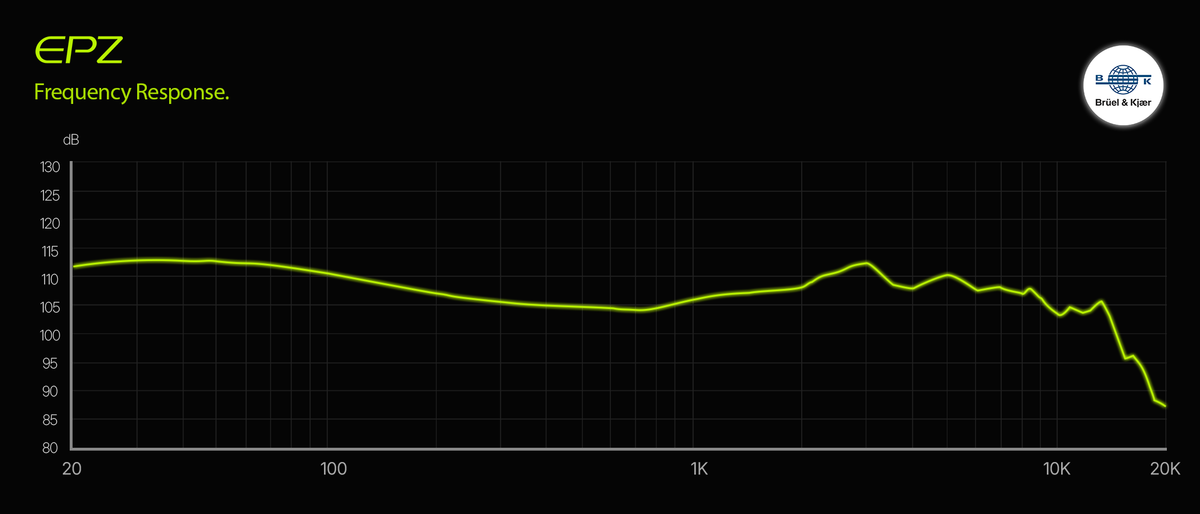
The low-frequency section is not tuned to imitate oversized dynamic-driver slam. That is not the point of this earphone. Its job is to build a clean bass structure with speed and definition. Bass should have shape. It should start and stop with control. It should support the music without spreading into the mids.
The midrange carries much of the emotional center of the tuning. Vocals need clarity, but they also need body. Instruments need presence, but not glare. Push too far and the sound becomes forward or thin. Hold back too much and the vocal line loses connection.
550 is tuned to keep the midrange open and transparent, with enough density to feel natural over long sessions.
The high-frequency section focuses on extension, air, and fine detail. Treble should bring space to the sound, not fatigue. It should reveal texture without turning every recording into a spotlight.
Each driver has a job. None of them are added just to increase a number.
Tuning is where the system becomes one
A multi-driver IEM is not finished when the drivers are installed.
The real work happens in the crossover, acoustic damping, chamber structure, and final tuning. This is where separate drivers become one listening system.
The crossover decides how each driver hands off to the next. If those transitions are not handled cleanly, the ear can hear it. Bass may feel disconnected. Vocals may sit in the wrong place. Treble may appear detailed but detached.
The frequency range may be covered, but the music does not move as one piece.
Acoustic damping is just as important. It shapes pressure, smooths peaks, controls resonance, and balances energy across the spectrum. Small changes can shift the whole character of an IEM.
That is why 550 does not chase complexity for its own sake. A controlled 5-driver BA platform gives the tuning more room to breathe. It allows the design to focus on coherence, background cleanliness, and long-term listenability.
The result is not a sound built to impress in the first ten seconds only. It is built to stay organized after one hour, two hours, and beyond.
What 550 is made for
550 is tuned for listeners who value clarity without harshness, speed without dryness, and detail without forced brightness.
Its all-BA structure gives it quick transient response and clean separation. Notes are defined. Layers are easy to follow. The background stays quiet, which helps vocals and small details appear with less effort.
The vocal presentation is a key part of the design. 550 keeps voices transparent and present, with enough body to avoid sounding hollow. It does not push warmth just to feel thick, and it does not sharpen the upper mids just to create artificial clarity.
The treble aims for smooth extension. There is air and detail, but the tuning avoids turning treble into a trick. Long-session refinement is part of the purpose.
This is where control becomes more valuable than complexity.
Who should choose 550
550 is not for everyone, and it does not need to be.
If the main goal is maximum driver count, there are other IEMs that make that number the headline. If the priority is extreme bass impact, especially the physical pressure of a large dynamic driver, 550 is probably not the first choice.
That is an honest trade-off.
550 is for listeners who care more about how the system behaves than how crowded the shell is. It is for people who listen for vocal transparency, clean separation, controlled bass lines, and smooth treble extension.
Five drivers can make sense when each one is selected carefully, tuned with intention, and integrated into a coherent whole.
550 is not about adding more drivers for the sake of numbers.
It is about control over complexity.