

If you have spent any real time looking for the best audiophile IEM, you already know how quickly the whole thing gets messy. One person says a set is unbeatable for the price. Another says it is bright, thin, and overhyped. Then somebody shows a graph, somebody else talks about driver count, and before long you are staring at ten open tabs wondering why this was supposed to be simple in the first place.
The funny part is that a good IEM is usually not that hard to recognize once you stop listening to the noise around it. A strong set tends to get the important things right. The tuning makes sense. It does not fall apart when the music gets busy. It fits well enough that you can forget it is there. And, maybe more importantly than many people admit, it comes from a manufacturer that seems to care about how the product is actually made.
That last point matters. People in this hobby love to talk about sound, which makes sense, but they often spend less time looking at the company behind the product than they do looking at a frequency response graph. That feels backwards to me. When you buy an IEM, you are not only buying a sound signature. You are also buying the standards, consistency, and engineering habits of the brand that built it. That is exactly why it helps to look beyond the product card and spend a little time reading about the manufacturer itself.
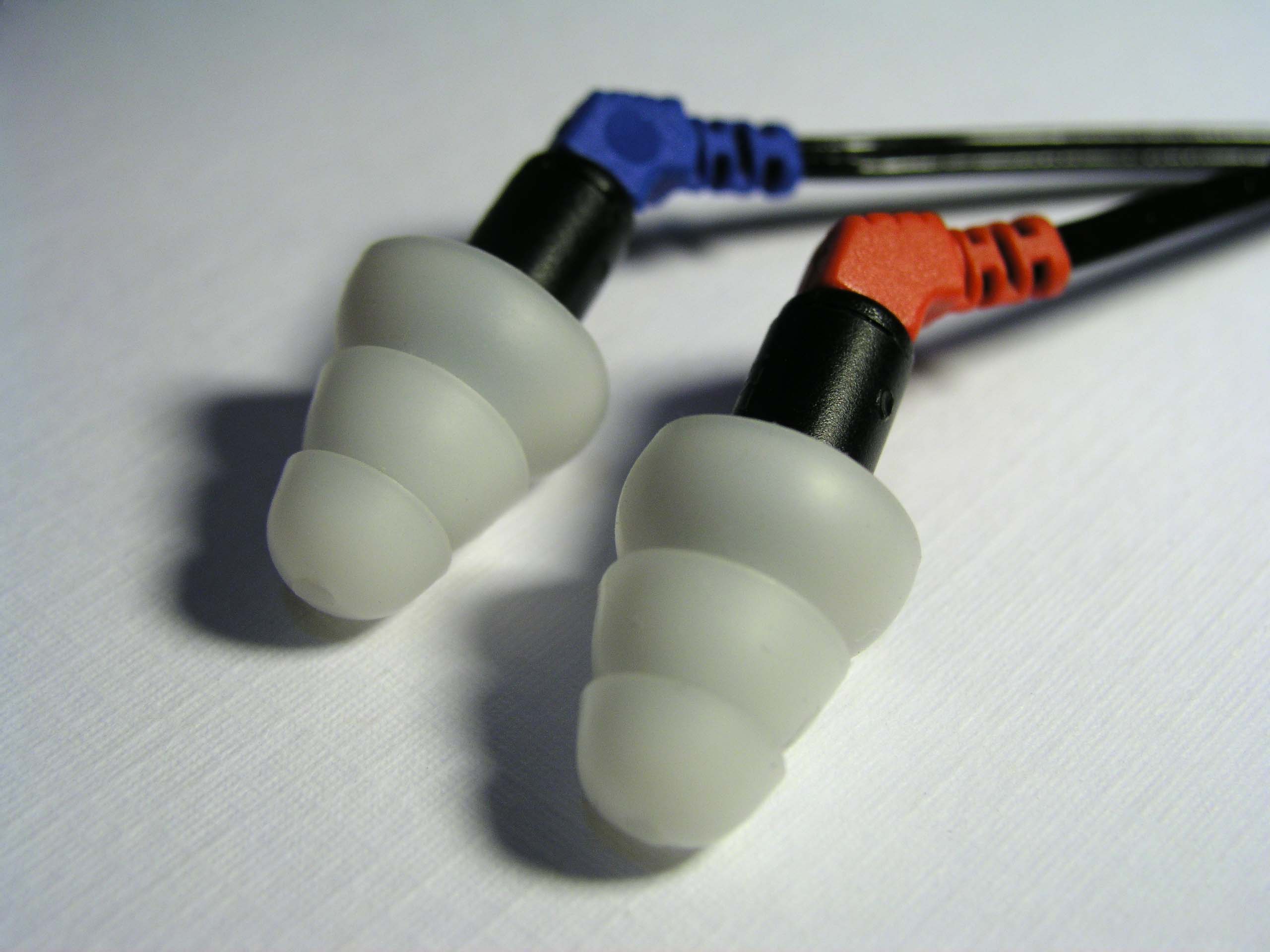
So what makes an IEM “audiophile” in the first place? In practical terms, it usually means the IEM was made for people who actually sit down and listen. Not just casual playback. Not just background music. Real listening. The kind where tone, detail, placement, and comfort all start to matter.
A good audiophile IEM does not have to sound cold or clinical. That is one of those old assumptions that never seems to fully disappear. What it should do is sound intentional. Bass should have shape instead of loose boom. Vocals should feel present and believable. Treble should give you enough air and texture to keep the sound open, but not so much that every track starts to feel edgy after twenty minutes.
That is why tuning comes first. It comes before the shell material, before the driver count, before the marketing copy, before nearly everything. If the tuning is off, the rest starts to matter a lot less. I have heard simple driver setups that sounded far more convincing than complicated multi-driver models, mostly because the tuning held together and the whole thing sounded coherent from top to bottom.
When I try to judge whether an IEM is actually good, I usually start with a few basic questions. Does the bass feel controlled, or does it spread too far into the mids? Do voices sound natural, or do they feel pushed back and hollow? Does the treble reveal detail, or does it just add extra brightness and hope you mistake that for resolution? A lot of IEMs can sound impressive for a few minutes. Fewer keep sounding right once you settle in.

This is where measurements can help, even if you are not the kind of person who wants to spend all day comparing graphs. A graph will not tell you everything. It will not tell you whether an IEM feels emotionally engaging, or whether the staging feels unusually open, or whether the timbre lands in a way that clicks with your library. But it can help you catch broad tuning choices before you buy, and that alone makes it useful. If you want a straightforward explanation of how these graphs work, Crinacle’s guide to reading headphone measurements is still one of the easier references to start with.
Still, graphs are only part of the picture. Once the tuning seems sensible, then I start listening for technical performance. Not in a showy way. Just in the kind of way that matters when you live with an IEM for more than a week.
Detail retrieval is one of the first things people talk about, but it is easy to misunderstand. Real detail is not just extra brightness. Real detail sounds like small textures arriving naturally. You hear the edges of a vocal line more clearly. You hear room reverb trailing off a little longer. You notice subtle layering in the background of a mix without feeling like the earphones are forcing every sound under a spotlight.
Then there is separation. When a track gets crowded, a better IEM tends to keep instruments from collapsing into each other. You can follow the bass line, keep track of the vocal, and still notice percussion or small synth elements floating around the edges. Imaging matters too. Some IEMs do a surprisingly nice job of placing sounds in space, while others make everything feel clumped together in the middle of your head.
Coherency is a big one as well, maybe bigger than people realize at first. Some IEMs sound technically impressive in isolated ways, but the full presentation never quite locks together. The low end feels like it belongs to one tuning approach, the mids to another, and the highs to something else again. Once you notice that kind of mismatch, it gets hard to ignore. A really satisfying IEM usually sounds like one complete system, not several interesting parts stitched together.
Fit matters just as much as any of this, and honestly, it is often the difference between liking an IEM and never fully warming up to it. If the fit is off, the sound is off. That is not dramatic. It is just true. A poor seal can thin out the bass, shift the treble, and make an otherwise solid tuning seem strange or disappointing. Sometimes people blame the product when the real issue is that the shell shape, nozzle angle, or included tips are simply not working for their ears.
Comfort is part of the sound for the same reason. If an IEM becomes annoying after half an hour, you are going to hear that irritation in everything. If it stays secure, sits naturally, and does not build weird pressure, you are much more likely to hear what the tuning is actually supposed to be doing. Buyers who want a concrete example of how modern shell design is being approached can look at EPZ’s technology page, which goes into its DLP 3D printing and internal structure approach.

This is also why I pay attention to the manufacturer, not just the product page. There are a lot of IEMs on the market now, and a lot of them know how to present themselves well. Nice renders, polished specs, strong launch buzz, dramatic claims. That does not always mean much if the company behind the product is vague about how things are actually built.
I think buyers should spend more time checking whether a manufacturer seems serious. Does the brand talk clearly about design and production? Does it seem to understand consistency? Is there any sign that the company cares about shell precision, acoustic structure, matching, or quality control? Those things are not glamorous, but they matter in real ownership. Even general buying guides, like the one at Headphones.com, end up circling back to the same reality: tuning, comfort, and execution matter more than spec-sheet drama.
That is one reason it makes sense to look into manufacturers like EPZ when comparing options. The brand has put visible emphasis on its manufacturing side, including acoustic experience, structured product development, and DLP 3D printing for shell control and consistency. That does not mean a buyer should accept every marketing claim at face value, of course. It does mean that when a company is willing to talk about how the product is actually made, I pay more attention.
In a market full of brands trying hard to look premium, it helps when a manufacturer seems more focused on build logic than on buzzwords. And if you are spending real money on an audiophile IEM, that is the kind of thing worth noticing. If open-back hybrids are already on your radar, EPZ’s P50 page is one example of how a brand lays out tuning claims, driver structure, and positioning in one place.
A lot of people make the same buying mistakes in this category. They chase driver count as if more automatically means better. It does not. They rely too heavily on rankings without thinking about what kind of tuning they actually enjoy. They ignore comfort until after the purchase. And very often, they do almost no homework on the company making the IEM in the first place.
To me, a better way to judge the best audiophile IEM is pretty straightforward. Start with tuning. Then listen for detail, separation, imaging, and coherency. Make sure the fit works for your ears. And before you buy, take a closer look at the manufacturer behind the shell. If you want to keep researching after that, EPZ’s own guides section is useful for browsing setup and compatibility topics, while broader references like RTINGS’ measurement guide can help you get more comfortable reading test data.
That last step sounds less exciting than comparing rankings, but it can save you from a disappointing purchase. A brand with a clear design philosophy, credible build standards, and a visible interest in consistency is usually a safer bet than one living entirely on internet hype. Not always, but often enough that it matters.
So if you are still trying to narrow down the best audiophile IEM for your taste, slow the process down a little. Listen for balance. Listen for realism. Pay attention to how the IEM fits, not just how it graphs. And do not be afraid to investigate the company behind it. That extra half hour of research can tell you a lot more than another dramatic comment thread ever will.
And yes, this is exactly why more experienced buyers tend to care about manufacturers, not only products. A well-made IEM usually has a clearer story behind it. When a company puts real effort into design consistency and production quality, that tends to show up sooner or later in the listening experience too.
